


Pay per lead affiliate programs are one of the most practical ways for publishers, bloggers, affiliates, and media owners to monetize high-intent traffic. Instead of earning only when someone makes a purchase, publishers can earn a commission when a visitor completes a qualified lead action, such as requesting a quote, submitting a form, signing up for a free trial, booking a demo, or creating an account.
This makes pay per lead affiliate marketing programs attractive for websites in finance, insurance, SaaS, business services, education, home improvement, and other high-value niches. Many users are not ready to buy immediately, but they are willing to compare options or request more information. That small action can become a valuable lead for advertisers and a revenue opportunity for publishers. In this guide, media angel network will explain how pay per lead affiliate programs work, which niches often perform best, how to choose the right programs, and how publishers can increase revenue from qualified leads.
What are pay per lead affiliate programs?
Pay per lead affiliate programs are affiliate programs that pay publishers when a referred visitor becomes a qualified lead for an advertiser.
A lead can mean different things depending on the offer. Some programs pay when a visitor submits an email address. Others may require a quote request, phone verification, consultation booking, free trial signup, or completed application form.
Common pay per lead actions include:
- Requesting an insurance quote
- Submitting a loan inquiry
- Booking a software demo
- Signing up for a free trial
- Creating a free account
- Filling out a consultation form
- Calling a tracked phone number
The advertiser decides what counts as a valid lead. The publisher promotes the offer, sends relevant traffic, and earns a commission when the visitor completes the required action and meets the program’s rules.
Unlike sales-based affiliate programs, pay per lead offers do not always require the user to buy immediately. That lower-friction conversion path is one reason publishers like this model. Best finance affiliate programs for publishers 2026 here
How pay per lead affiliate marketing works
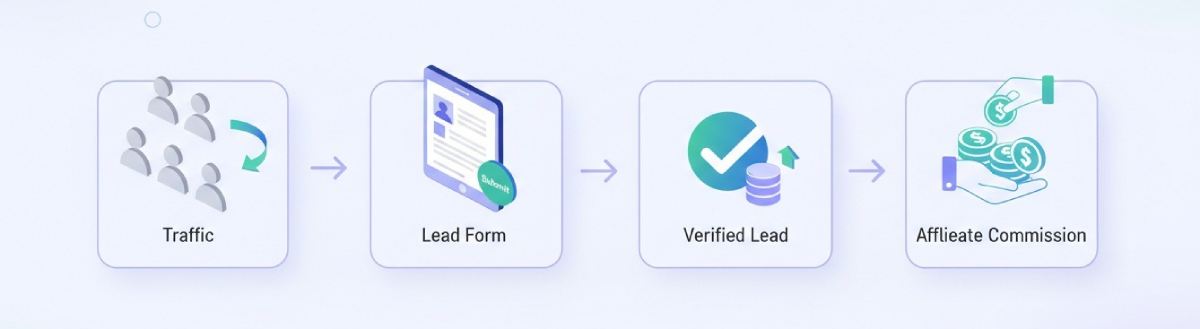
The basic process is simple:
Advertiser → Affiliate Network → Publisher → Visitor → Qualified Lead → Commission
The advertiser wants potential customers. The affiliate network or tracking platform manages the offer, links, reporting, and payouts. The publisher promotes the offer through content, email, paid traffic, social media, comparison pages, or other approved channels. When the visitor completes the required lead action, the publisher may earn a payout.
For example, a personal finance publisher may write an article about debt relief options. Inside the article, the publisher can add a call to action inviting readers to check eligibility or request a free consultation. If the user submits the form and qualifies, the publisher earns a commission.
The same model can apply to auto insurance quotes, business loan inquiries, payroll software demos, solar consultations, education requests, and more.
What counts as a qualified lead?
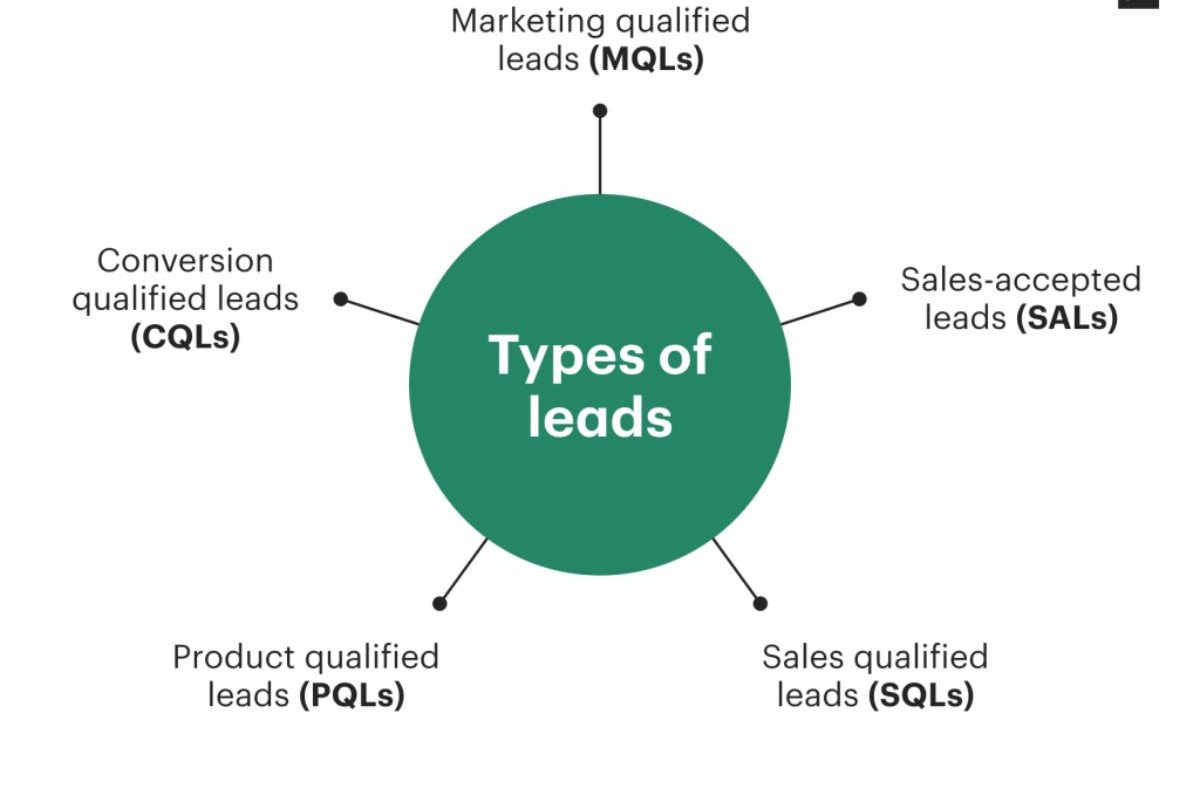
A qualified lead is a lead that meets the advertiser’s requirements. Not every form submission is automatically payable.
A lead may need to include:
- Valid contact information
- Accepted country, state, or region
- Real user intent
- No duplicate submission
- Required income, business, or eligibility details
- Accurate form data
- Approved traffic source
For example, an insurance advertiser may only accept leads from specific U.S. states. A payroll software company may only want business owners with a minimum number of employees. A finance offer may require the user to meet specific eligibility criteria.
This is why publishers should not choose programs only because they advertise high payouts. A high payout is not useful if the offer does not convert or if many leads are rejected.
Pay per lead vs CPA vs CPS
Pay per lead is one affiliate payout model, but it is often compared with CPA and CPS.
Pay per lead
Pay per lead, or PPL, pays when a visitor becomes a qualified lead. This may include a quote request, signup, demo booking, or form submission.
CPA
CPA means cost per action. The action can be a lead, sale, app install, deposit, trial signup, or other measurable event. Pay per lead is often considered a type of CPA, but it focuses specifically on lead generation.

CPS
CPS means cost per sale. The publisher earns only when the referred visitor completes a purchase.
PPL can be a strong choice when your audience is researching options and may be willing to take a smaller step before buying. CPS may work better when your audience already has strong purchase intent.
Best niches for pay per lead affiliate programs
The best pay per lead affiliate programs are often found in industries where each customer has high value. If an advertiser can earn significant revenue from one customer, they may be willing to pay for qualified leads.
Finance
Finance is one of the strongest PPL categories. Common offers include personal loans, debt relief, credit repair, business loans, mortgage inquiries, tax relief, banking products, and financial planning consultations.
Finance content works well because users often compare options before making decisions. Articles about saving money, managing debt, improving credit, or finding loan options can naturally lead readers toward relevant offers.
Insurance
Insurance is another popular pay per lead category. Publishers can promote auto insurance quotes, life insurance quotes, home insurance, health insurance, business insurance, renters insurance, and related products.
Insurance users often want to compare providers before choosing a policy. This makes quote-based lead generation a natural fit for comparison content and educational guides.
SaaS and B2B
SaaS and B2B offers can perform well for business, software, marketing, and entrepreneurship audiences. Common offers include payroll software, accounting tools, CRM platforms, HR software, property management software, cybersecurity, and marketing automation.
In B2B, one customer can be highly valuable, so companies may pay for demo requests, trial signups, or sales-qualified leads.
Education and home services
Education offers may include online degrees, certification programs, career training, and bootcamps. Home services offers may include solar quotes, roofing, HVAC, moving services, pest control, and home security.
These niches can work well when the content attracts users with clear intent and the offer matches their location or needs.
Best pay per lead affiliate programs and networks to consider
Below are some well-known affiliate networks and platforms publishers can research when looking for pay per lead affiliate programs. Program availability, payouts, traffic rules, and approval requirements can change, so publishers should always review the current terms before promoting any offer.
| Program or network | Best for | Common niches | Why publishers consider it |
|---|---|---|---|
| MaxBounty | CPA and lead-generation affiliates | Finance, insurance, sweepstakes, surveys, lead gen | Known for a wide range of CPA and PPL-style offers across different verticals. |
| CJ Affiliate | Established publishers and content sites | Finance, retail, SaaS, services | A large affiliate marketplace with many recognized advertisers and performance-based campaigns. |
| ShareASale | Bloggers and niche publishers | SaaS, business tools, ecommerce, services | Popular with content publishers looking for accessible affiliate programs across many categories. |
| Impact | Brand partnerships and larger publishers | SaaS, fintech, B2B, ecommerce | Often used by brands that want advanced tracking, partner management, and scalable affiliate relationships. |
| Awin | Global publishers | Finance, retail, travel, services | A large international affiliate network with offers across multiple regions and industries. |
| FlexOffers | Content publishers and comparison sites | Finance, insurance, business, lifestyle | Offers a broad advertiser marketplace, including programs that may fit lead-generation content. |
| PartnerStack | B2B and SaaS publishers | Software, business tools, technology | Strong fit for publishers promoting SaaS trials, demo requests, and B2B partner programs. |
| Media Angel Network | Publishers with high-intent traffic | Finance, insurance, SaaS, home services, lead generation | Designed to help publishers connect with performance-based campaigns and monetize qualified traffic. |
When comparing affiliate programs that pay per lead, do not focus only on the payout amount. A good program should also have relevant offers, clear lead requirements, reliable tracking, fair approval rules, and traffic sources that match your publishing strategy.
For example, a finance publisher may perform better with debt relief, insurance, or loan-related offers. A business publisher may see stronger results with SaaS demos, payroll software, accounting tools, or B2B service inquiries. A home improvement publisher may be better matched with solar, roofing, HVAC, or moving-service leads.
The best pay per lead affiliate program is the one that fits your audience and turns your existing traffic into qualified, measurable revenue.
Highest pay per lead affiliate programs: what to know
Many publishers search for the highest pay per lead affiliate programs, but the highest payout is not always the best option.
For example, a program that pays $100 per lead may sound better than one that pays $25. But if the $100 offer has strict rules and approves very few leads, the lower payout offer may earn more overall.
When comparing programs, publishers should look at:
- Payout amount
- Conversion rate
- Approval rate
- Lead rejection rate
- Traffic source rules
- Landing page quality
- Audience fit
- Payment terms
High-paying PPL niches often include debt relief, insurance, legal services, mortgage, solar, business financing, payroll software, HR software, and B2B SaaS.
The best program is the one that converts well, approves fairly, and matches your traffic.
How to choose the best pay per lead affiliate program
Choosing the right pay per lead affiliate program starts with audience fit. If your website is about personal finance, promote finance, insurance, debt, credit, or banking offers. If your site is about small business, SaaS, payroll, accounting, or business financing may be a better fit.
Next, review the lead action. Does the user need to submit a short form, complete a long application, verify a phone number, or book a demo? The more difficult the action, the more important it is to have high-intent traffic.
Also check traffic restrictions. Some programs allow SEO traffic but restrict paid search, email, social media, incentive traffic, coupon traffic, or brand bidding. Always read the offer terms before sending traffic.
Finally, track performance. Important metrics include clicks, leads, approved leads, rejected leads, conversion rate, EPC, and revenue per page. Payout matters, but EPC and approval rate often tell the real story.
Best ways to promote pay per lead offers
SEO content is one of the best ways to promote pay per lead affiliate programs because search users often have clear intent.
Strong content formats include:
- Best service lists
- Comparison articles
- Buyer guides
- Cost guides
- Reviews
- Alternatives articles
- Quote comparison pages
Examples include “Best Auto Insurance Companies for Young Drivers,” “How to Compare Life Insurance Quotes,” “Best Payroll Software for Small Businesses,” or “Debt Relief Options Explained.”
Comparison pages also work well because visitors are already evaluating options. A good comparison page should include pros and cons, who each option is best for, clear calls to action, FAQs, and trust signals.
Email marketing can work if the list is permission-based and the offer is relevant. Paid traffic can also work, but only when the advertiser allows it and the campaign is profitable after rejected leads and traffic costs.
Common mistakes to avoid
The biggest mistake is choosing offers based only on payout. A high payout does not guarantee high earnings.
Publishers should also avoid sending low-quality leads, using misleading claims, ignoring compliance rules, or promoting offers that do not match the audience. This is especially important in finance, insurance, healthcare, legal, and education niches.
Another common mistake is failing to track performance. Without tracking clicks, leads, approval rates, EPC, and revenue by page, it is difficult to know which offers are actually profitable.
Long-term success in pay per lead affiliate marketing depends on relevance, trust, traffic quality, and consistent optimization.
Are pay per lead affiliate programs worth it?
Yes, pay per lead affiliate programs can be worth it for publishers with relevant traffic and clear audience intent.
They are especially useful when users are researching, comparing, or requesting information before making a purchase. Many readers may not be ready to buy today, but they may be ready to take a smaller action, such as requesting a quote or signing up for a free trial.
PPL programs can be a strong fit for finance bloggers, insurance publishers, business content websites, SaaS review sites, comparison websites, SEO affiliates, email publishers, and lead-generation marketers.
As Peter Drucker famously said, “The aim of marketing is to know and understand the customer so well the product or service fits him and sells itself.”
That idea applies perfectly to pay per lead affiliate marketing. The better you understand your audience, the easier it becomes to choose offers that convert.

Pay per lead affiliate programs can help publishers turn high-intent traffic into measurable revenue. They are especially useful in niches where users need information, quotes, consultations, demos, or comparisons before buying. The best pay per lead affiliate programs are not always the ones with the highest advertised payouts. The best programs are the ones that match your audience, accept your traffic source, convert well, approve leads fairly, and create long-term value for both publishers and advertisers.
To succeed, focus on relevance, trust, and tracking. Choose offers that fit your content. Understand the lead requirements. Follow the program rules. Test different calls to action. Track EPC and approval rates. Then optimize the pages and offers that perform best. For publishers with traffic in finance, insurance, SaaS, business services, education, or home services, pay per lead affiliate marketing can become a reliable and scalable revenue channel.
Ready to monetize your traffic with pay per lead offers?
If you are a publisher, blogger, affiliate, or media owner with high-intent traffic, pay per lead offers can help turn your audience into measurable revenue.
Media Angel Network helps connect publishers with performance-based campaigns across finance, insurance, SaaS, home services, and other valuable verticals.
Instead of relying only on display ads or low-converting offers, publishers can explore campaigns built around qualified lead actions such as quote requests, form submissions, signups, and demo bookings.
Apply as a publisher today and start monetizing your traffic with qualified leads.
FAQ
What are the best pay per lead affiliate programs?
The best pay per lead affiliate programs depend on your niche, traffic source, audience, payout, conversion rate, approval rate, and lead quality requirements.
Do pay per lead affiliate programs pay without a sale?
Yes. Many pay per lead programs pay for qualified lead actions even if the visitor does not make an immediate purchase.
Which niches are best for pay per lead affiliate marketing?
Finance, insurance, SaaS, legal services, mortgage, debt relief, payroll, education, solar, and home services are often strong niches for pay per lead affiliate marketing.
>>> Related Guide
- How to make money with affiliate marketing without a website 2026
- Do affiliate links hurt SEO? How to protect your rankings
