

So you keep hearing about people making money online through affiliate marketing — and someone mentioned “affiliate links” as the key to the whole thing. But what is an affiliate link? How does it track your sales? And how do you actually get one? If you’re new to the world of affiliate marketing, this guide from Media Angel Network answers every question you have — from the very basics to strategies that experienced affiliates use every day.
By the end of this article, you’ll understand what an affiliate link is, how it works technically, and exactly how to start using one to earn your first commission. Let’s get into it.
What is an affiliate link? (Simple definition)
Understanding what an affiliate link is forms the foundation of your entire journey into performance-based marketing. Before you can earn commissions, you need to understand the tool that makes it all possible.
An affiliate link is a unique, trackable URL assigned to you by a merchant or affiliate program. When you share this link — on your blog, social media, YouTube channel, or email list — and someone clicks it and takes a specific action (like making a purchase), you earn a commission.
Think of it like this: imagine you recommend a product to a friend, they buy it, and the company pays you a “thank you” fee. That’s affiliate marketing. The affiliate link is the digital version of that referral — except instead of telling one friend, you can reach thousands of people at once.
According to industry data, the U.S. affiliate marketing industry is projected to surpass $12 billion in 2025, and it continues to grow as more creators and entrepreneurs discover it as a reliable income stream. The affiliate link is the single tool that makes all of that possible. Do affiliate links hurt SEO? How to protect your rankings research now
How does an affiliate link work? (Step-by-step)
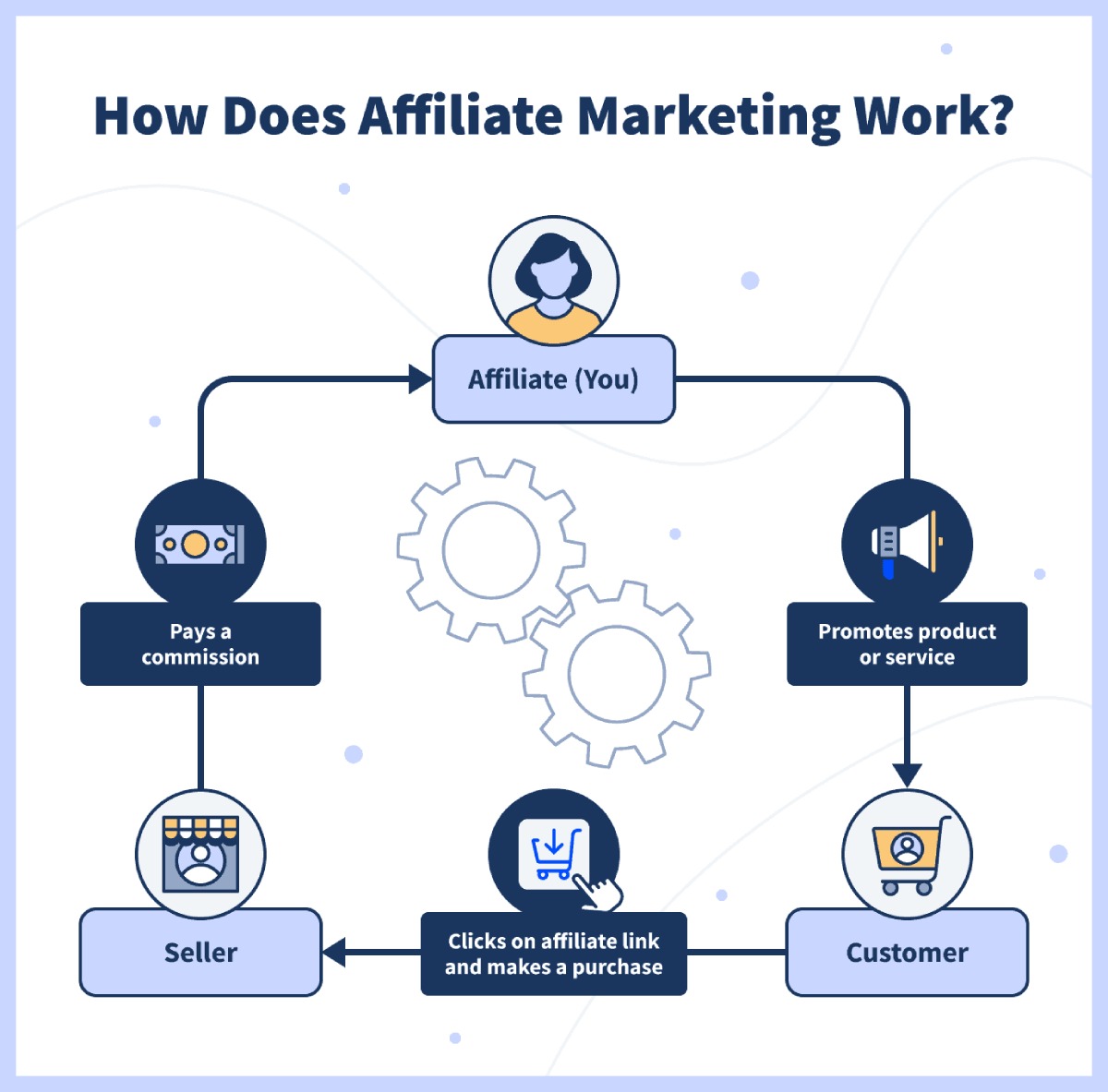
Once you understand what an affiliate link is, the next natural question is: how does an affiliate tracking link actually follow a customer’s journey and connect it back to you?
Here’s the full picture, broken down simply:
- You join an affiliate program — e.g., Amazon Associates, ShareASale, or a brand’s private program.
- You receive your unique affiliate link — a URL that contains your personal affiliate ID.
- You share the link — in a blog post, a YouTube video description, a tweet, or an email.
- A user clicks your link — their browser is redirected to the merchant’s website.
- A cookie is stored — a small file is saved in the user’s browser, recording that you referred them.
- The user takes an action — they buy a product, sign up for a service, or complete a lead form.
- You earn a commission — the merchant’s system detects the cookie and credits the sale to your affiliate ID.
That’s the entire lifecycle of an affiliate link — from click to commission. You need to know How to make money with affiliate marketing without a website 2026
The anatomy of an affiliate link
An affiliate link looks like a regular URL but contains hidden tracking data. Here’s an example:
https://example.com/product?ref=YOUR_AFFILIATE_ID&source=blog
Let’s break that down:
| Part | What It Does |
| https://example.com/product | The destination page (the merchant’s product page) |
| ?ref=YOUR_AFFILIATE_ID | Your unique affiliate identifier |
| &source=blog | Optional UTM parameter to track where the click came from |
Every affiliate link contains, at minimum, your affiliate ID — the unique code that ties a purchase back to you.
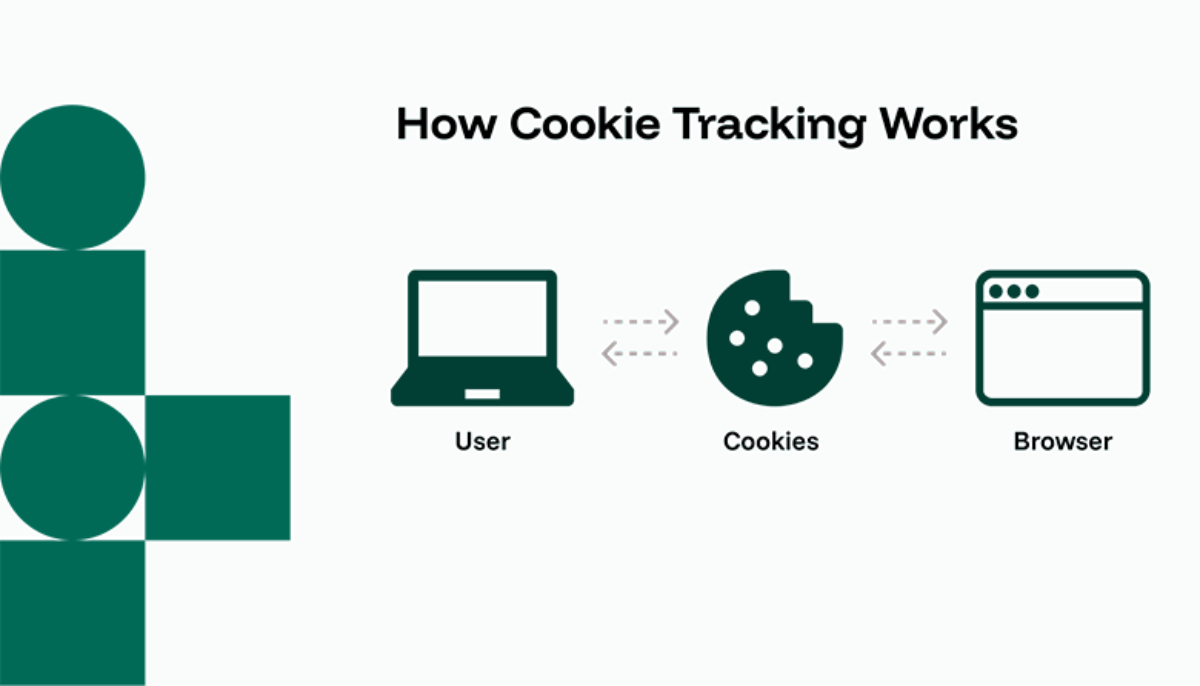
How cookie tracking works
Here’s where it gets interesting — and important.
When someone clicks your affiliate link, most affiliate programs store a tracking cookie in the user’s browser. This cookie has an expiration window called cookie duration — which can range from 24 hours to 90 days depending on the program.
Why does cookie duration matter?
Let’s say someone clicks your affiliate link for a $500 laptop but doesn’t buy right away. They come back three days later and purchase. If your program has a 30-day cookie window, you still get the commission. If it only has a 24-hour window (like Amazon Associates), you’d miss it.
Types of affiliate links
Not all affiliate links are created the same — and knowing the different types helps you choose the right strategy for your content.
1. Direct Affiliate Links The standard link format provided by an affiliate network or merchant. It contains your affiliate ID and points directly to the merchant’s product page.
2. Deep Links These point to a specific product page or landing page rather than the homepage. Deep links typically convert better because they land the user exactly where they need to be to make a purchase.
3. Shortened or Cloaked Links Many affiliates use link-cloaking tools (like ThirstyAffiliates or Pretty Links) to make affiliate URLs look cleaner. Instead of a long, messy tracking URL, you get something like yoursite.com/recommends/toolname. This improves click-through rates and looks more trustworthy to readers.
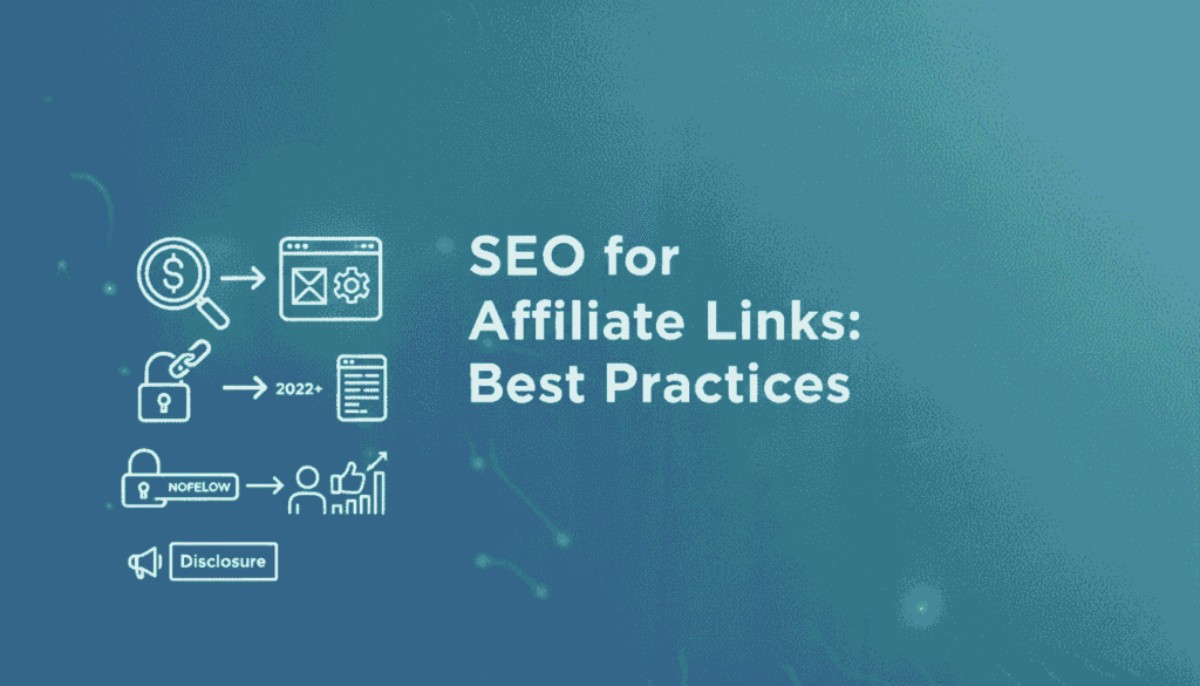
4. Nofollow Affiliate Links From an SEO standpoint, affiliate links should always include a rel="nofollow" or rel="sponsored" attribute. This tells Google you’re not trying to manipulate PageRank through affiliate links, keeping your site compliant with Google’s Webmaster Guidelines.
5. Deeplinked Social Links On platforms like TikTok Shop, Instagram Shopping, or YouTube, you can embed affiliate links directly into product tags within your content — creating a seamless shopping experience without the user ever leaving the platform.
How to get your first affiliate link
Getting your first affiliate link is simpler than most beginners think, but the right affiliate program makes all the difference when starting out. Hot news about How to start High Ticket Affiliate Marketing for everyone in 2026
Step-by-step: Joining an affiliate program
Step 1: Choose a niche Pick a topic you’re knowledgeable and passionate about — tech, fitness, finance, travel, etc. A focused niche helps you build trust with an audience.
Step 2: Find an affiliate program that fits You have three options:
- Affiliate networks (e.g., ShareASale, CJ Affiliate, ClickBank, Rakuten) — marketplace platforms hosting dozens or hundreds of individual programs
- Direct brand programs (e.g., Amazon Associates, Shopify Affiliate Program, HubSpot) — you apply directly to the brand
- SaaS affiliate programs — often offer recurring commissions (you earn every month the customer stays subscribed)
Step 3: Apply and get approved Some programs (like Amazon Associates) approve instantly. Others review your website, social following, or content quality before granting access. Make sure your platform looks professional before applying.
Step 4: Generate your affiliate link Once approved, log into your affiliate dashboard. Select the product you want to promote, click “generate link,” and you’ll receive your unique affiliate URL. Copy it and you’re ready to promote.
Step 5: Add UTM parameters (optional but powerful) Experienced affiliates add UTM parameters to track exactly which content piece drove a conversion. This data is invaluable for scaling what works.
How to promote affiliate links effectively
Having an affiliate link is just the beginning — the real skill is knowing where and how to promote affiliate links in a way that feels natural and drives real conversions.
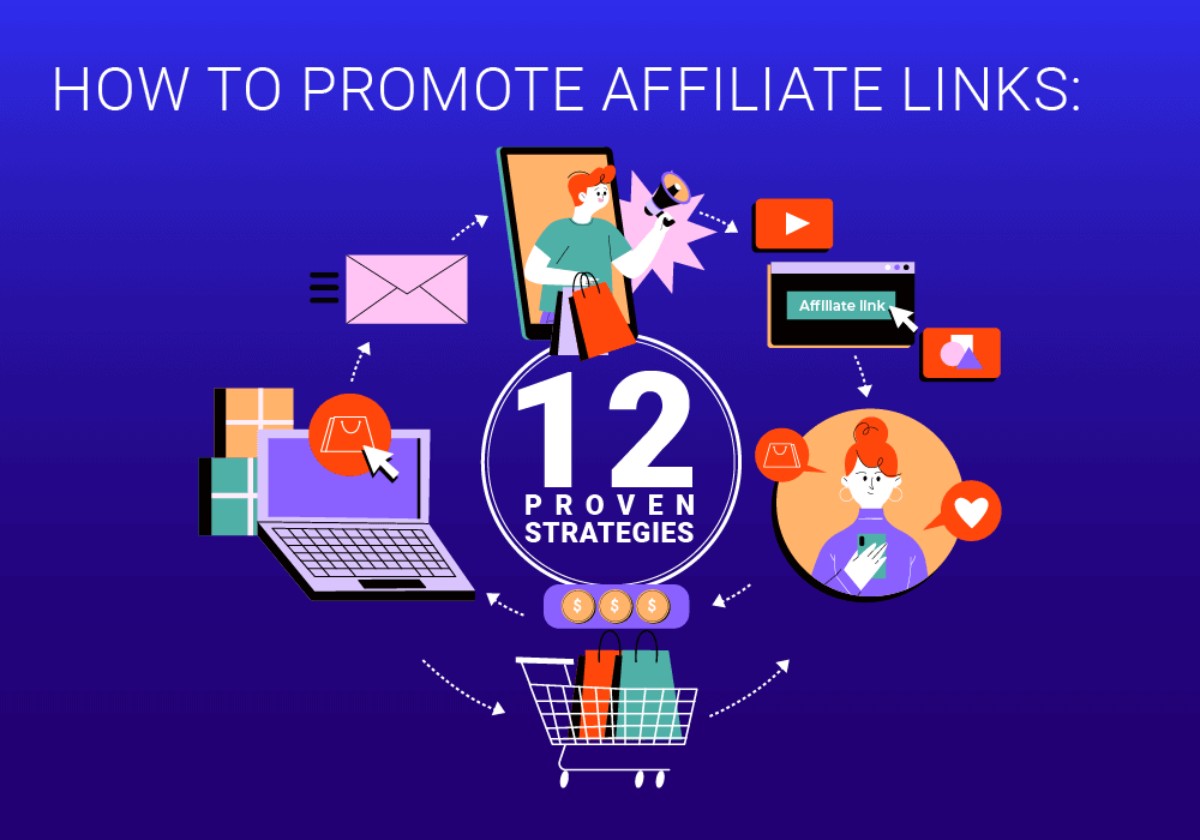
1. SEO-Optimized Blog Content This is the gold standard. Write detailed product reviews, comparison articles (“Product A vs Product B”), and how-to guides that answer real search queries. Embed your affiliate links naturally within the content. A well-ranked blog post can generate passive income for years.
2. YouTube Videos Place affiliate links in video descriptions. Tutorial videos, unboxing reviews, and “best of” listicles work exceptionally well. YouTube is the second largest search engine in the world — the traffic potential is enormous.
3. Email Marketing Your email list is your most valuable asset. Subscribers who trust you are far more likely to click and buy through your affiliate links than cold traffic. Build a list, nurture it with genuine value, and recommend products you actually use.
4. Social Media (TikTok, Instagram, Pinterest) TikTok Shop, Instagram Shopping, and Pinterest’s affiliate tools allow you to tag products directly in content. Short-form video product reviews are driving massive affiliate revenue right now.
5. Resource or Tools Pages Create a dedicated “My Recommended Tools” page on your website. Visitors who land on this page are actively looking for recommendations — conversion rates here are typically much higher than within regular blog posts.
How much can you earn with affiliate links?
Earnings from affiliate marketing vary widely, and one of the biggest mistakes beginners make is expecting overnight results. That said, the income potential is genuinely significant for those who put in consistent effort.
Commission rates typically vary by category:
| Niche / Category | Typical Commission Rate |
|---|---|
| Software / SaaS | 20–40% (often recurring) |
| Finance / Credit Cards | $50–$200+ per lead |
| E-commerce / Physical Products | 3–10% |
| Digital Courses | 30–50% |
| Web Hosting | $65–$150+ per sale |
Real-world income ranges from a few hundred dollars per month for beginners to $10,000–$50,000+ per month for established affiliates with significant traffic and authority.
One documented case study followed an affiliate site growing from $267/month to over $21,000/month across 19 months — through consistent SEO content and niche focus.
The key insight: affiliate marketing rewards patience and compounding. A blog post you write today can rank in Google for years and keep generating commissions long after you’ve moved on to other projects. That’s the power of passive income through affiliate links. 8 SEO steps for affiliate marketing that makes money
Affiliate link best practices (do’s and don’ts)
Following the right practices separates affiliates who earn consistently from those who burn out — and protects your site from Google penalties.
DO:
- Only promote products you’ve personally used or genuinely believe in. Your audience’s trust is your most valuable asset. Promoting mediocre products for a quick commission destroys that trust.
- Always disclose affiliate relationships clearly and prominently. It’s legally required and builds credibility.
- Use nofollow or sponsored link attributes on all affiliate links to stay Google-compliant.
- Track your links with UTM parameters or affiliate link management tools (ThirstyAffiliates, Pretty Links) to know which content converts best.
- Diversify across multiple programs — don’t rely on a single merchant. Programs change their commission rates or shut down. Diversification protects your income.
- Write content that serves the reader first. Google’s Helpful Content guidelines explicitly reward content that answers user questions thoroughly. Thin, sales-focused content gets demoted.
DON’T:
- Stuff affiliate links into content where they don’t naturally fit.
- Promote products solely based on commission rate without vetting quality.
- Use URL cloaking in ways that hide your affiliate relationship from users.
- Rely on a single traffic source — algorithm changes can devastate single-channel affiliates overnight.
- Ignore your analytics — if a link gets clicks but no conversions, the product-audience fit is wrong.
Frequently asked questions about affiliate links
Are affiliate links free to use?
Yes. Joining most affiliate programs is completely free. You don’t pay to join; the merchant pays you when you drive results.
Do affiliate links hurt my website’s SEO?
Not if used correctly. Use the rel="nofollow" or rel="sponsored" attribute on affiliate links. Google’s guidelines are clear: affiliate content is fine as long as it adds genuine value and links are properly tagged.
How long does a cookie last on an affiliate link?
It depends on the program. Amazon Associates has a 24-hour window. Many programs offer 30–90 days. Some SaaS programs offer lifetime attribution. Always check before joining.
Can I use affiliate links on social media?
Yes, on most platforms. However, policies vary. TikTok, Pinterest, and YouTube explicitly support affiliate links. On Instagram, you can use links in bio, Stories (with the link sticker), or through affiliate product tags. Always check the platform’s terms of service.
How do I know if my affiliate links are working?
Your affiliate program dashboard tracks clicks, conversions, and commissions in real time. Many affiliates also use tools like Google Analytics with UTM parameters, or dedicated link managers like ThirstyAffiliates, to get deeper insights.
Do I need a website to use affiliate links?
Not necessarily. You can promote affiliate links through a YouTube channel, email newsletter, podcast, or social media accounts. However, an SEO-optimized website significantly increases your earning potential over the long term.
>> Related guide
- Best finance affiliate programs for publishers 2026
- Best pay per lead affiliate programs for publishers in 2026
